
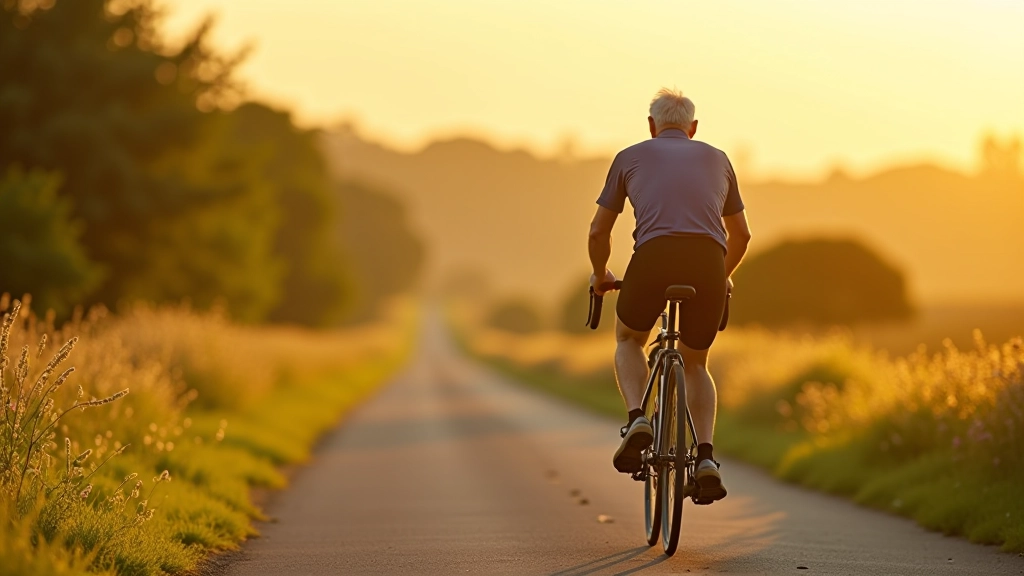
Why Gradual Progress Works
Starting slow isn't giving up — it's the smartest approach. Your body needs time to adapt to regular cycling, and building fitness gradually means you'll actually stick with it. Most people who try to do too much too fast end up sore, frustrated, and quit within weeks.
The good news? You don't need fancy equipment or hours of training. Thirty minutes on a bike three times a week is enough to create real changes. We're talking improved leg strength, better cardiovascular fitness, and genuine confidence in your abilities.
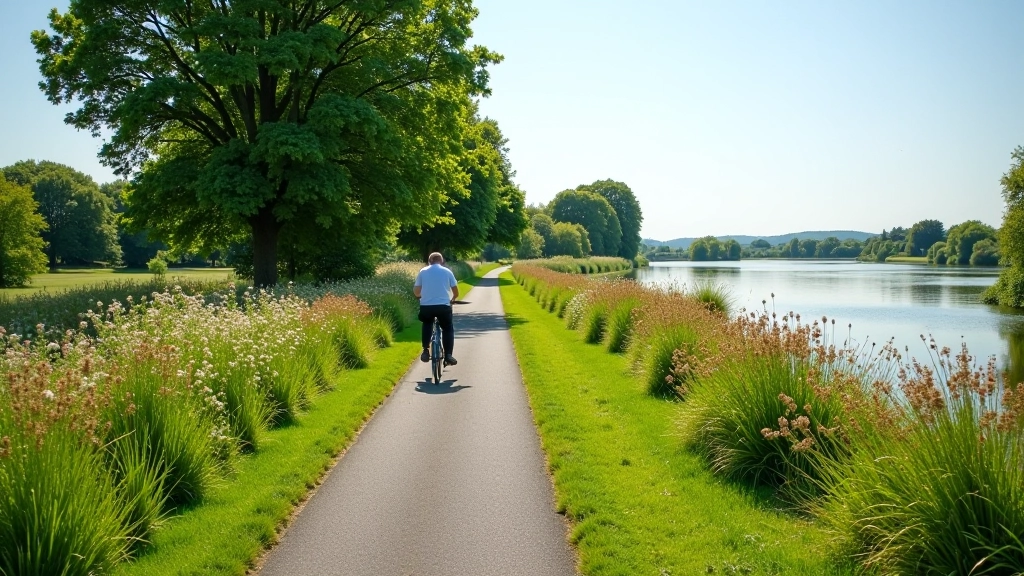
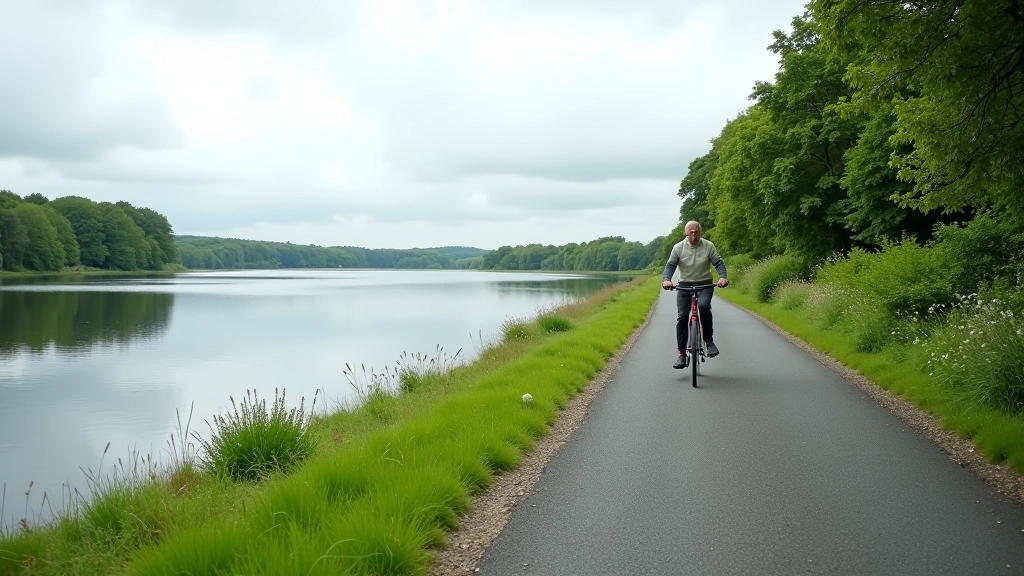
The Carlingford to Omeath route is perfect for this kind of training. It's flat, well-maintained, and peaceful. You won't be fighting hills or dodging traffic — just you, the bike, and the lough shore.
Week One: Finding Your Rhythm
Your first week is about comfort, not speed. You're getting used to the bike, the route, and how your body feels on the saddle. That's it. No targets to hit, no distance to prove.
15-minute ride on flat terrain. Easy pace. Stop whenever you want.
20-minute ride. Same route if possible. You're building familiarity.
15-minute ride. Shorter than mid-week. Recovery matters.
Rest days aren't laziness. They're when your muscles adapt and get stronger. Your legs will feel heavy on day two — that's normal. By Friday, you'll notice it's slightly easier.
Week Two & Three: Building Consistency
Now you're building the habit. Your legs are adapting, and the saddle doesn't feel quite as uncomfortable. You'll notice you're breathing easier on the same distances.
Here's what changes: Instead of just getting through the ride, you'll start noticing things — the water on your left, the birds, how the light changes. That's when you know it's working.
25-minute rides. Consistent pace, no rushing.
20-minute ride. Still a recovery day.
You'll probably add 3-4 kilometers total distance this week. It doesn't sound like much, but it's significant. Your cardiovascular system is adapting, your leg muscles are getting stronger, and you're building confidence.


Week Four: Noticing Real Changes
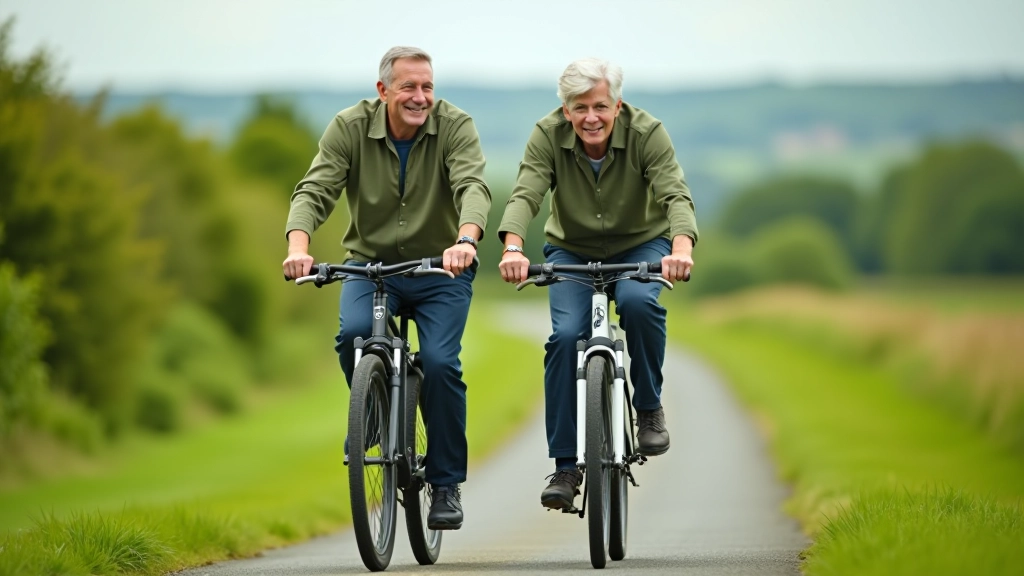
By now, you've logged roughly 4-5 hours of actual cycling. That's real time on the bike, real adaptation happening in your body. Your legs don't feel as tired after rides. Your breathing is more controlled. You're sitting more comfortably.
30-minute rides. This is your new baseline.
25-minute leisurely ride. For enjoyment, not fitness.
You might even try the full 12km Carlingford to Omeath route if you're feeling confident. Don't force it though. If you'd rather stick to 5-6km loops, that's completely fine. You're building fitness, not breaking records.
Listening to Your Body Matters
This is the part most fitness guides skip over, but it's crucial. Your body will tell you what it needs — you just have to listen.
After four weeks, you'll know your body better. You'll understand how much effort is sustainable, how quickly you recover, and what your realistic limits are. That knowledge is worth more than any fitness tracker.

What's Next?
After month one, you've built a foundation. You've proven to yourself that you can show up consistently. Your fitness has genuinely improved. Most importantly, you've probably realized that cycling isn't as scary or difficult as you thought it might be.
From here, you can keep this rhythm going indefinitely. Or you can gradually add a bit more — maybe extend one of your rides to 40 minutes, or try cycling four days a week instead of three. Or you might decide that three times a week is your sweet spot and stick with it. All of those are successful outcomes.
The Carlingford to Omeath route will be waiting. It's peaceful, it's flat, and it's proven to work for people just like you. You've got this.
Important Disclaimer
This article provides general educational information about building fitness through cycling. It's not medical advice or a personalized training program. Before starting any new exercise routine, particularly if you have existing health conditions, joint issues, or haven't exercised regularly, consult with your doctor or a qualified healthcare professional. Everyone's fitness level, capabilities, and health circumstances are different. Listen to your body, progress at your own pace, and stop immediately if you experience sharp pain or unusual symptoms.