
Why Water Riding Feels Different
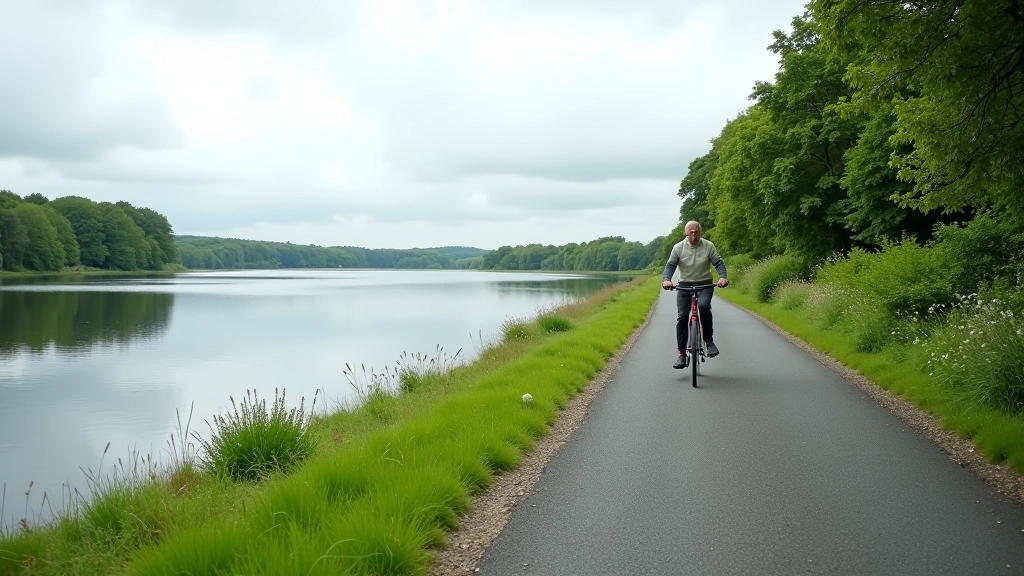
Cycling along the Carlingford Lough shore is spectacular — you've got those reflected mountains, the quiet of the greenway, and that fresh air coming off the water. But here's the thing: riding beside water requires a slightly different mindset than inland cycling. The terrain's usually solid, the path is well-maintained, but environmental factors shift constantly. Wind picks up without warning. Light bounces differently. Sudden weather changes happen fast.
We're not talking about technical difficulty. The railway path is flat and forgiving. What we're talking about is awareness — understanding how water environments affect your ride, knowing what to look for, and building habits that keep you comfortable and safe. That's the real difference between casual cycling and confident cycling alongside the lough.

Understanding Lough-Side Wind Patterns
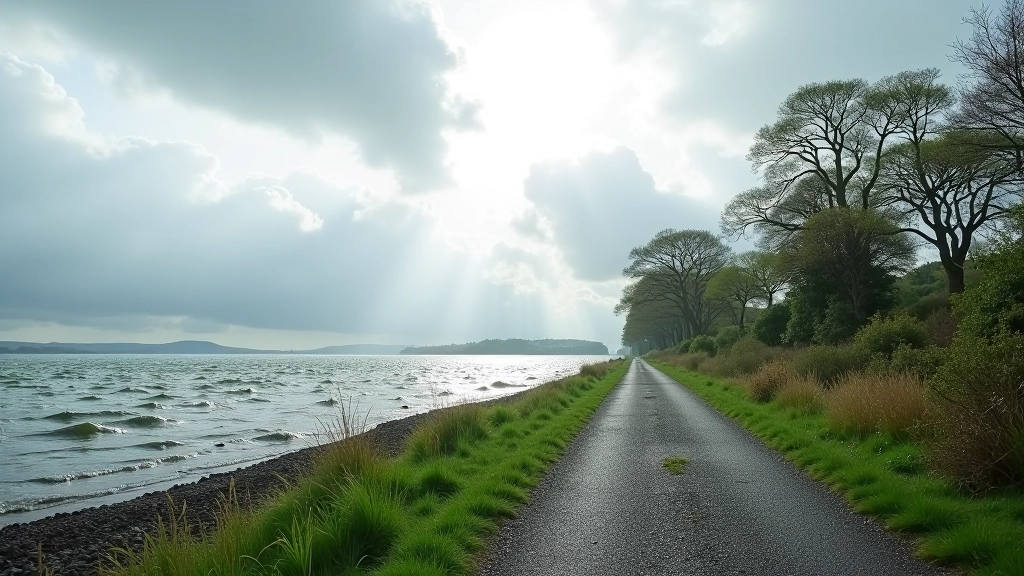
Water creates wind. It's not dramatic most days, but it's consistent. The lough acts like a massive thermal engine — cooler water, warmer air above it, and that temperature difference generates breeze. You'll notice it most between 10am and 3pm when the sun heats things up.
The important part? Wind direction matters more than strength. When you're cycling toward open water, a crosswind hits you sideways. Your bike wants to drift toward the water side. Not dangerous necessarily, but it demands constant micro-corrections. Your arms get tired faster. Your concentration stays high.
Quick tip: Ride with your hands positioned lower on the handlebars on windy days. More control, less fatigue. You'll feel more stable when gusts come through.
Light and Visibility on Water
Here's something that catches people off guard: the lough reflects light. A lot of it. When the sun's low in the sky — early morning or late afternoon — that reflection creates serious glare. Your pupils constrict. Colors wash out. That stone wall or the path edge becomes harder to judge precisely.
Wear sunglasses on sunny days, even if it doesn't feel blindingly bright. Amber or brown lenses work better than dark gray for contrast. They help you see the actual path surface, not just the bright reflections. Your eyes stay relaxed. You're less likely to misjudge a slight dip or a loose stone.

Explore More Resources


Reading Weather Changes
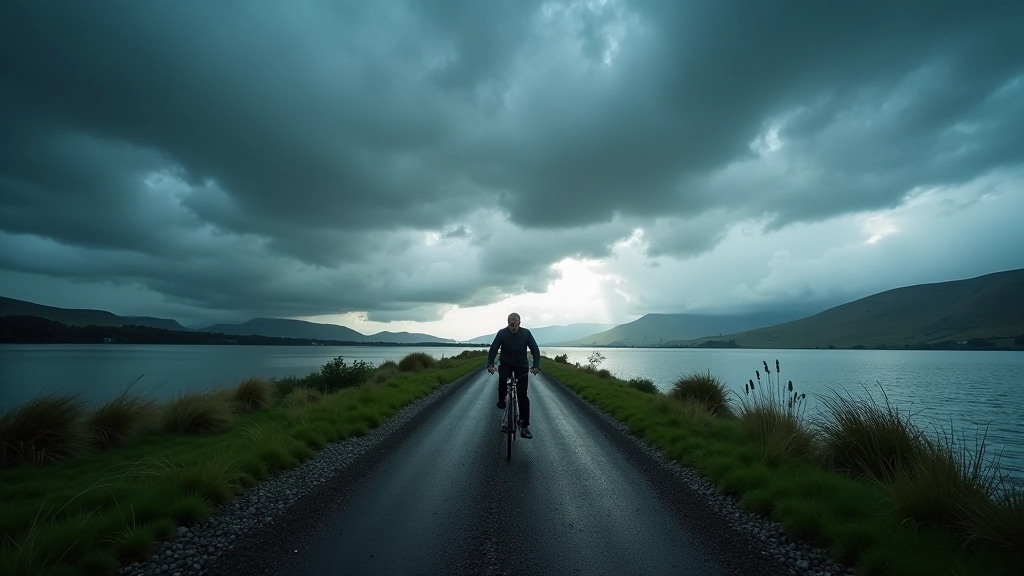
Water's a natural weather indicator. Watch the surface. Flat and glassy means stable air. Small ripples suggest wind's building. Larger patterns mean conditions are changing — maybe in the next 20-30 minutes. You're not trying to predict rain; you're noticing what's already happening.
Clouds matter too. High, thin clouds move fast and usually don't bring immediate rain. Low, dark clouds that look heavy? They're probably dumping somewhere, and the wind pattern might push that your direction. Most of the time on the Carlingford route, you've got enough visibility to turn back or stop if weather shifts quickly.
- Check wind direction before you ride — know which way it'll push you
- Bring a light waterproof jacket even on clear days
- Avoid riding during electrical storms — water conducts electricity
- Ride with a buddy when conditions look uncertain
Specific Hazards to Watch
The path itself is well-maintained, but water-adjacent cycling brings specific risks worth knowing about.
Loose Gravel Near Water
Rain and spray create damp patches that collect fine gravel. Your tire loses grip. Easy to slip if you're not expecting it. Watch the waterside edge closely after rain.
Sudden Gusts
Wind comes off the water in unexpected surges. Your bike will drift sideways momentarily. Stay relaxed on the handlebars. Don't panic-brake. Let the gust pass and correct gently.
Reduced Visibility in Fog
Lough fog rolls in fast, especially in early morning or after rain. Wear a bright jacket. Consider lights even in daytime. Sound carries differently in fog — use a bell.
Fatigue and Dehydration
Water reflects heat and wind increases evaporation. You dehydrate faster than inland riding. Bring more water than you think you'll need. Stop and rest if you feel lightheaded.
Building Your Water-Cycling Confidence
The Carlingford Lough shore is genuinely one of Ireland's best cycling experiences. That view doesn't get old. But respecting the environment means riding with awareness. Start on calmer days. Notice how wind feels different. Get comfortable with how your bike responds. Most of the challenges here aren't technical — they're about understanding your environment and trusting your judgment.
You don't need special skills or expensive gear. You need attention, basic preparation, and the willingness to turn back if conditions shift. That's not cautious. That's smart. And smart riders have the best days out on the water.
Important Disclaimer
This article provides general educational information about cycling safety near water. Individual circumstances vary, and weather conditions can change rapidly. Always wear appropriate safety equipment, check weather forecasts before riding, and consult local cycling groups or authorities for current path conditions. If you're new to cycling or have health concerns, consider consulting with your doctor or a certified cycling instructor. This information is not a substitute for professional advice or proper training.